(515) 608-2492
Blogs
W and W Enterprises
What Are The 5 Warning Signs Your Home Needs a Plumbing Inspection Before It’s Too Late
Plumbing systems quietly serve every home until small issues evolve into costly emergencies. Homeowners often miss warning signs that indicate leaks, clogs, or corrosion. Detecting these early can prevent foundation damage, mold growth, and unnecessary structural repairs.
Neglecting inspection schedules increases repair expenses and disrupts household comfort. Consistent evaluations safeguard plumbing performance and protect water quality throughout the property. Professional help ensures early problem detection and long-term efficiency.
What a Plumbing Inspection Reveals in Your Home
A plumbing inspection identifies leaks, corrosion, and damaged pipes before they cause property damage. It detects blockages, poor fittings, and hidden moisture issues that threaten long-term reliability. Timely inspection preserves safety, performance, and water quality in every home.
Common Warning Signs Found During a Plumbing Inspection
Plumbing inspections reveal issues that quietly worsen until major repair is unavoidable. Recognizing early indicators helps homeowners prevent emergencies and protect system health. The following problems require prompt professional attention.
Low Water Pressure: Sediment buildup or hidden leaks restrict flow and reduce system performance. A plumber tests supply lines and clears internal blockage.
Slow Drains: Clogs in sinks, tubs, or showers indicate debris accumulation deep within drain lines. Inspection determines if hydro-jetting or pipe repair is needed.
High Water Bills: Hidden leaks under floors or inside walls waste hundreds of gallons monthly. Early leak detection prevents financial loss.
Unusual Odors: Sewer or mold smells reveal trapped moisture or venting problems. Cleaning and resealing prevent contamination.
Pipe Noises: Rattling or banging sounds often signal unsecured lines or trapped air. Professional stabilization restores quiet operation.
Understanding these warning signs empowers homeowners to act quickly before minor issues escalate. Routine plumbing inspection services prevent long-term complications and improve household comfort.
1. Discolored Water Indicates Corrosion or Pipe Damage
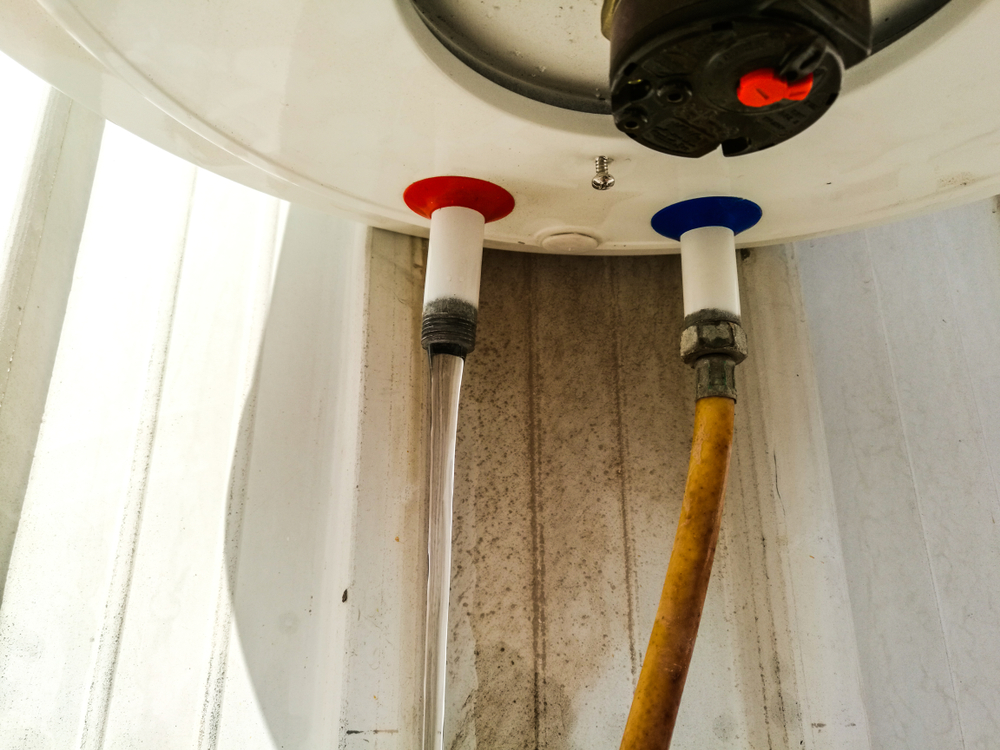
Discolored water often means corrosion inside older pipes or rusting water heaters. A thorough plumbing inspection identifies whether the source involves mineral deposits, metal deterioration, or both. Addressing corrosion early preserves safe water and protects fixtures from internal staining.
Corrosion builds up gradually and restricts water flow, causing lower pressure throughout the system. Plumbers examine visible joints, fittings, and tanks for pitting or rust formation. Regular evaluation allows early replacement before leaks develop.
Ignoring discoloration eventually damages faucets, appliances, and internal piping. Repairs become more expensive once corrosion spreads. Professional testing ensures safe, consistent water quality across all fixtures.
2. Slow Drains Suggest Larger Sewer Concerns
Slow drains are more than minor annoyances; they can indicate deeper problems inside main sewer lines. Over time, grease, soap residue, and debris restrict water flow. Professional inspection helps determine whether a clog or structural issue exists.
Ignoring slow drainage can lead to backups that damage flooring and fixtures. Licensed plumbers use camera systems to view interior piping without disruption. Early detection allows targeted repair and prevents contamination.
Routine drain cleaning after inspection maintains proper water flow and sanitation. Homeowners also protect their property’s foundation from erosion caused by pooling water. Prevention remains more affordable than remediation.
Frequent Problems Identified During Plumbing Inspections
Professional inspections uncover consistent issues across residential and new-construction properties. Detecting these patterns helps homeowners schedule timely maintenance and avoid emergencies. Below are five common findings during detailed evaluations.
Hidden Leaks: Moisture behind drywall or beneath flooring weakens structural supports. Acoustic and thermal tools identify concealed leaks before damage spreads.
Aging Water Heaters: Sediment accumulation reduces efficiency and heating performance. Flushing and periodic inspection extend unit life.
Outdated Piping: Galvanized steel or polybutylene piping often corrodes or cracks. Replacement with modern materials ensures lasting reliability.
Valve Failures: Worn shut-off valves can fail during emergencies. Regular testing guarantees quick isolation during leaks.
Improper Venting: Inadequate drainage venting creates gurgling or odor problems. Inspection ensures proper air balance throughout the plumbing network.
Documented inspection reports help homeowners plan upgrades strategically. Preventive maintenance limits interruptions and strengthens plumbing longevity.
3. Unusual Noises Signal Pressure Problems and Pipe Stress
Banging, whistling, or rattling noises from pipes often indicate pressure imbalance or loose fittings. Repeated vibration weakens joints and can cause long-term leaks. A professional plumbing inspection determines whether pressure regulation or pipe reinforcement is necessary.
Sudden pressure changes create hydraulic shock that damages connections and water-using appliances. Plumbers check valves, regulators, and supply lines to restore consistent flow. Addressing the cause early prevents costly bursts or appliance malfunctions.
Routine inspections and pressure testing ensure balanced operation throughout the plumbing system. Stable pressure maintains comfort, safety, and performance across all fixtures. Preventive care preserves overall plumbing integrity and reduces repair frequency.
4. Hidden Leaks Undermine Structural Safety
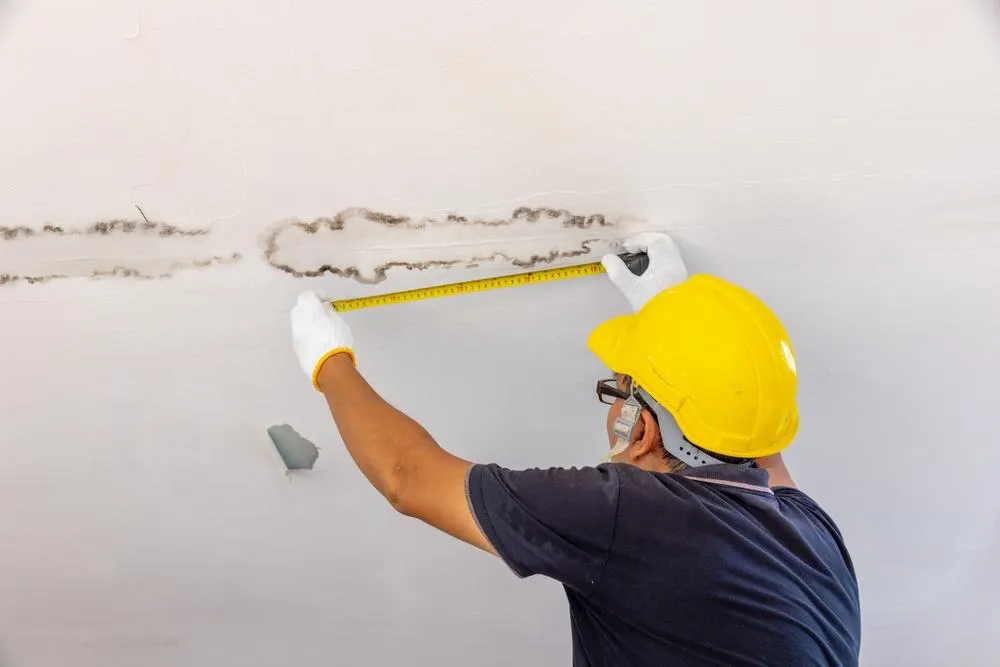
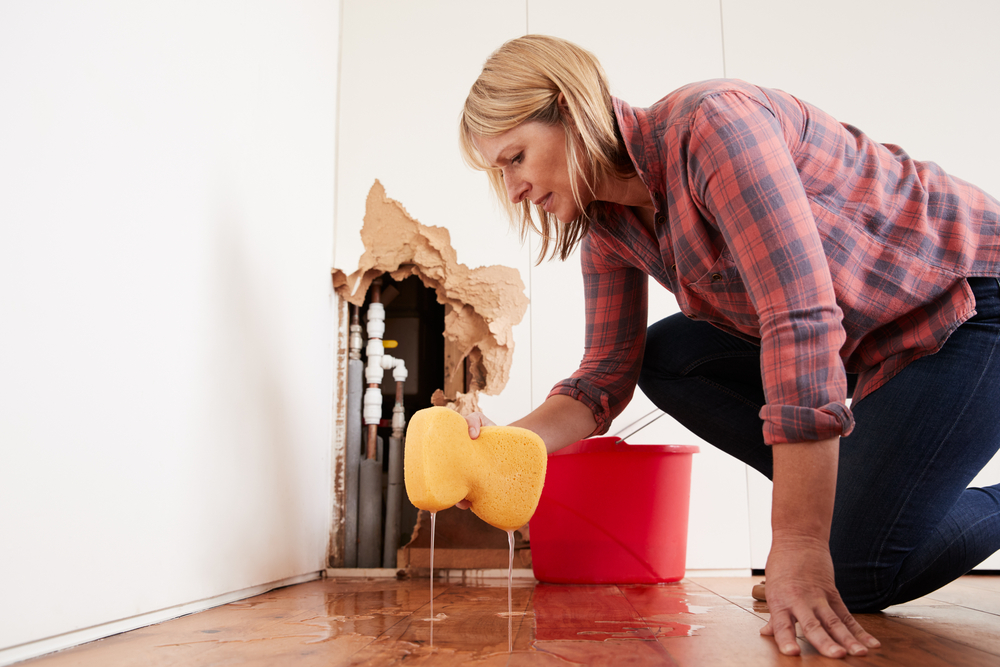
Water escaping unseen beneath floors or behind walls gradually weakens framing and drywall. Continuous moisture fosters mold and attracts pests. Scheduling a plumbing inspection detects these problems before serious deterioration occurs.
Advanced diagnostic tools measure humidity, temperature variation, and water flow pressure. Accurate data allows plumbers to pinpoint exact leak locations without tearing through walls. Early intervention saves materials and minimizes repair costs.
Moisture control supports indoor air quality and overall home health. Property stability depends on proactive maintenance and expert monitoring. Homeowners who invest in routine inspections experience fewer emergencies and lower restoration expenses.
5. Aging Pipes Require Preventive Replacement
Pipe materials degrade naturally over time due to mineral buildup and corrosion. Professional plumbing inspection helps determine which sections require reinforcement or replacement. Upgrading aging infrastructure prevents contamination and ensures consistent water delivery.
Older materials often fail under seasonal temperature changes. Plumbers evaluate thickness, joint integrity, and overall durability to recommend replacements. Timely updates eliminate future leaks and improve efficiency.
Modern alternatives like PEX and copper piping resist corrosion and maintain pressure stability. Installation during planned renovations provides long-term savings. Preventive upgrades preserve property value and operational reliability.
When to Schedule a Plumbing Inspection for Maximum Protection
The best time for a plumbing inspection is before visible issues appear. Annual evaluations detect wear caused by daily usage and environmental shifts. Early assessment saves money and preserves performance.
Extreme temperatures in Iowa cause pipe expansion and contraction, stressing seals and joints. Seasonal inspections prevent winter freezing or summer pressure leaks. Preventive attention ensures uninterrupted service year-round.
Professional plumbers document findings, repair recommendations, and scheduling intervals. Maintaining consistent records supports resale and warranty claims. Proactive management remains the foundation of efficient property ownership.
Protect Your Home Through Preventive Plumbing Inspection
A plumbing inspection prevents expensive emergencies and protects household safety. Regular evaluation identifies corrosion, leaks, and clogs before they threaten structure or health. Preventive care sustains clean, efficient water systems year-round.
Homeowners and builders across Central Iowa trust W and W Enterprises for reliable plumbing solutions, including fixture installation, water heater service, and in-floor heating expertise. Schedule your next plumbing inspection today to secure your investment and maintain dependable water performance for years ahead.


© 2025 W and W Enterprises. All rights reserved.
Privacy Policy
Terms of Service