
(515) 608-2492
Blogs
W and W Enterprises
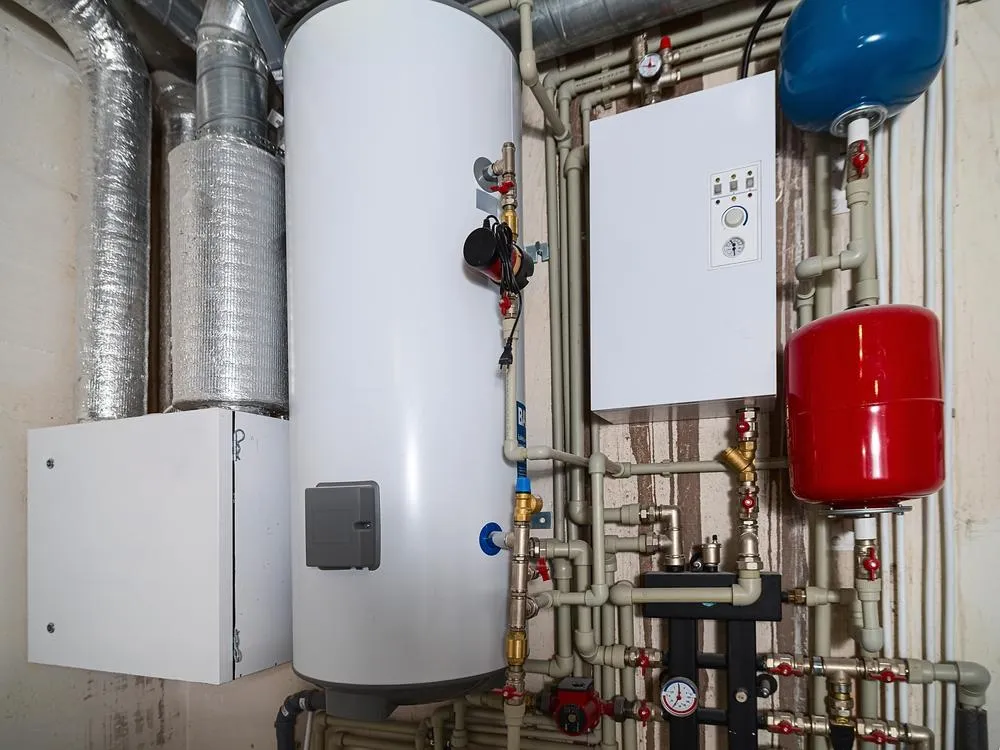
Tankless vs Traditional Water Heaters: Which Is Right for Your Home?
Homeowners evaluating new water heaters must consider energy efficiency, performance, and long-term maintenance. Choosing between tankless and traditional systems affects daily comfort, operating cost, and available space. Understanding their differences ensures you select the right system for your household’s demands.
Each model offers distinct advantages based on lifestyle and plumbing design. Tankless units supply continuous hot water while saving energy, whereas traditional heaters store and heat large volumes for quick access. The best choice depends on property layout, budget, and household usage patterns.
What Differentiates Tankless and Traditional Water Heaters
Tankless water heaters heat water on demand and reduce standby energy consumption. Traditional units store heated water inside insulated tanks for later use. Each type delivers reliable performance when matched with proper installation and household needs.
Energy Efficiency and Performance in Water Heaters
Energy efficiency remains the primary consideration for homeowners replacing older units. Tankless water heaters only operate when faucets run, saving power and reducing overall utility costs. Storage tanks consume continuous energy to maintain temperature, increasing monthly expenses over time.
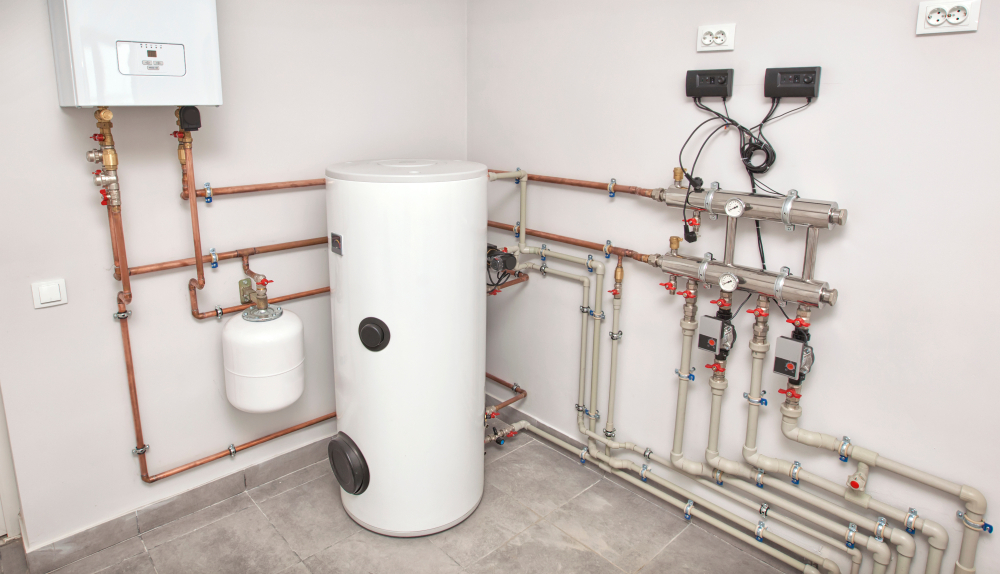
Performance varies based on system design and demand. Tankless models provide endless hot water but may require flow adjustments for multiple simultaneous uses. Traditional heaters deliver steady temperature yet can run out during heavy use.
Efficiency ratings also influence long-term savings. Homeowners often recover higher upfront costs for tankless units through reduced energy consumption. Choosing energy-efficient models aligns with sustainable living goals and lower utility bills.
Key Advantages of Tankless Water Heaters
Tankless systems provide several benefits that attract homeowners seeking efficient and modern plumbing solutions. Their compact design and instant heating capabilities offer improved control and convenience. Below are the main advantages explained.
Endless Hot Water Supply: Tankless systems heat water as it flows, eliminating shortages during showers or laundry. Continuous heating ensures consistent performance.
Energy Savings: On-demand operation prevents unnecessary reheating cycles. Reduced energy use lowers monthly costs and environmental impact.
Space Efficiency: Compact wall-mounted units free floor area in utility rooms. Smaller footprints suit homes with limited installation space.
Long Lifespan: Tankless units often last twice as long as storage tanks when properly maintained. Extended service life increases return on investment.
Reduced Leak Risk: Without large tanks, the chance of catastrophic leaks diminishes. Structural safety improves across the property.
Understanding these benefits helps homeowners plan future upgrades strategically. Consulting professionals ensures correct sizing and installation for optimal operation.
Maintenance and Repair Considerations for Water Heaters
Both systems require routine maintenance, but service needs differ based on technology and water conditions. Tankless heaters need periodic descaling to prevent mineral buildup that restricts heating efficiency. Traditional tanks require flushing to remove sediment that collects near heating elements.
Hard water accelerates scale formation and shortens unit lifespan. Plumbers recommend installing softening systems to protect both styles of heaters. Consistent care prevents corrosion, maintains water clarity, and stabilizes temperature output.
Professional inspection confirms proper gas pressure, electrical connections, and venting performance. Regular maintenance also identifies early component wear before failure. Preventive service ensures reliable hot water delivery throughout every season.
Common Challenges Homeowners Face with Water Heaters
Both systems offer reliability yet present potential challenges depending on usage habits and installation quality. Recognizing these helps homeowners plan maintenance effectively and avoid disruptions. Below are frequent issues observed during inspections.
Inconsistent Water Temperature: Tankless units can fluctuate during multiple simultaneous uses. Correct sizing resolves supply imbalance.
Sediment Accumulation: Storage tanks collect minerals that reduce heating efficiency. Annual flushing restores full capacity.
Pressure Imbalance: Irregular pressure affects both systems’ performance. Professional calibration maintains smooth flow.
Electrical or Gas Faults: Malfunctioning thermostats or gas valves hinder heating. Prompt inspection ensures safety and performance.
Delayed Hot Water Delivery: Long pipe runs extend wait times. Recirculation systems improve response in larger homes.
Understanding these concerns promotes timely professional intervention. Scheduled maintenance minimizes repair costs and extends equipment longevity.
Installation Requirements for Different Water Heater Types
Installation varies significantly between tankless and traditional systems. Tankless units require high-capacity gas lines or upgraded electrical circuits due to rapid heating. Traditional heaters connect easily to existing infrastructure, reducing initial installation complexity.
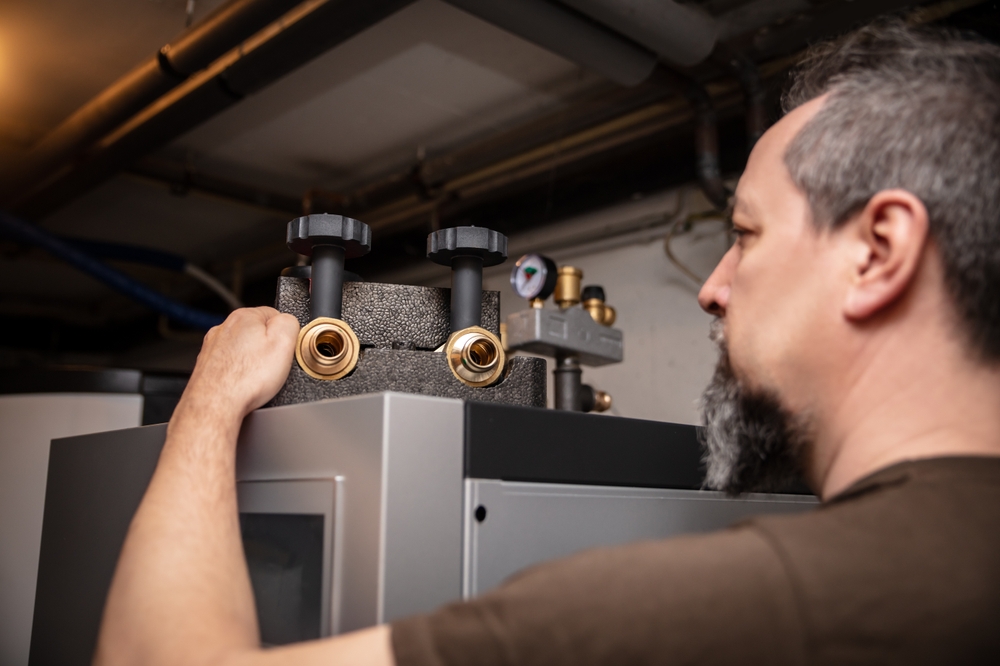
Ventilation also differs between systems. Tankless units often need specialized venting to manage exhaust safely, while tank models rely on standard flue setups. Proper venting ensures efficiency and compliance with building codes.
Professional plumbers evaluate space, capacity, and safety standards before installation. Correct placement enhances performance, reduces heat loss, and improves overall efficiency. Homeowners achieve best results when relying on licensed experts for setup.
Cost Comparison and Long-Term Value
Upfront costs vary widely depending on size, fuel source, and labor requirements. Tankless water heaters generally cost more initially but yield savings through lower energy consumption and longer life expectancy. Traditional tanks offer affordability but higher long-term operational costs.
Maintenance expenses influence lifetime ownership value. Tankless units require descaling but fewer component replacements, while tanks may need frequent part changes. Evaluating total cost helps homeowners choose systems that align with budget and usage.
Resale appeal also plays a role. Modern energy-efficient systems attract buyers seeking reduced utility bills and eco-friendly features. Investing in the right unit adds measurable property value and comfort.
Determining the Best Option for Your Home
Choosing between systems depends on household size, daily demand, and available utility connections. Families requiring continuous supply often prefer tankless models, while moderate-use homes benefit from traditional tanks. Professional assessment ensures accurate sizing and compatibility.
Environmental priorities also guide selection. Homeowners prioritizing energy conservation favor tankless efficiency, while others appreciate the predictable performance of tank storage. Lifestyle analysis clarifies which design fits usage habits best.
Licensed plumbers evaluate water flow, gas or electric capacity, and venting requirements. Accurate installation prevents underperformance or excessive strain on system components. Informed decisions guarantee comfort and long-term satisfaction.
Choose Reliable Water Heater Solutions for Lasting Comfort
Selecting between tankless and traditional water heaters depends on efficiency goals, home layout, and usage patterns. Professional evaluation ensures every home achieves consistent comfort, safety, and efficiency. Smart planning delivers dependable results and controlled energy costs.
Homeowners and builders throughout Central Iowa trust W and W Enterprises for professional water heater installation, plumbing design, and comprehensive system maintenance. Our team provides dependable, precise workmanship tailored to every project. Schedule your expert consultation today to discover which water heater solution best fits your home and budget.


© 2025 W and W Enterprises. All rights reserved.
Privacy Policy
Terms of Service